Wondering whether a classic Tarrytown home or a newer build is the better move? You are not alone. In one of Central Austin’s most established and sought-after neighborhoods, buyers often find themselves choosing between original charm, mature lots, and renovation potential on one hand, and modern layouts, newer systems, and turnkey finishes on the other. This guide will help you weigh the tradeoffs, spot the details that matter most, and make a more confident decision in Tarrytown. Let’s dive in.
Why Tarrytown Creates This Choice
Tarrytown sits just west of downtown Austin, between Lake Austin and MoPac, and its identity is tied to historic homes, estates, bungalows, old trees, and well-kept residential landscapes. That mix is a big reason the neighborhood feels so distinct. It is also why buyers often see very different home styles on the same street.
Tarrytown developed largely around the 1930s, with many modest homes originally built on relatively large lots. Over time, the neighborhood has seen renovations, additions, and some teardown-and-rebuild activity. Today, that history shows up clearly in the market: you may be comparing an updated older home with a newly constructed luxury property just doors apart.
That choice is not only about style. It is about how you want to live, how much work you want to take on, and how you view long-term value in a premium neighborhood.
Tarrytown’s Lot Size Matters
One of the biggest practical differences in Tarrytown is the lot itself. A 2023 AIA Austin analysis using Travis County appraisal data found Tarrytown’s median residential lot size was 9,344 square feet, which is larger than the citywide median of 7,976 square feet.
That extra lot area can create more possibilities for outdoor living, additions, or future changes to the property. Still, the real potential depends on more than lot size alone. Zoning, easements, drainage, tree placement, and deed restrictions can all affect what you can realistically do.
For many buyers, that means the lot should be evaluated as carefully as the house. In Tarrytown, the land and the home often need to be considered together.
What Classic Tarrytown Homes Offer
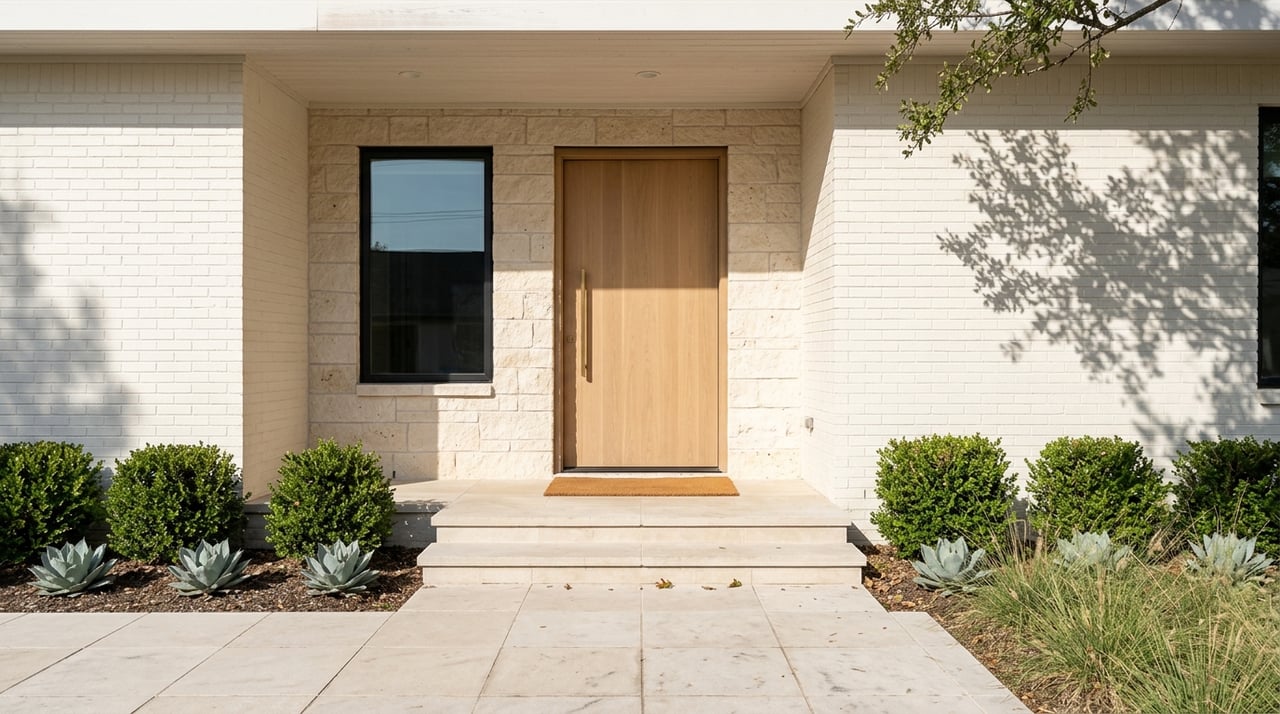
Older Tarrytown homes usually win buyers over with character, scale, and setting. You may find architecture and proportions that feel rooted in the neighborhood’s history, along with mature landscaping that gives the property an established feel from day one.
These homes can also offer a compelling middle path. Instead of taking on a full rebuild, you may be able to preserve the original feel while updating interiors, improving flow, or adding carefully chosen square footage.
For buyers who care about charm and neighborhood continuity, that can be a strong advantage. In Tarrytown, a well-updated older home often feels deeply connected to its block.
Benefits of an Older Home
- Established setting with mature trees and landscaping
- Architectural character that reflects Tarrytown’s roots
- Potential to renovate while keeping neighborhood feel intact
- Often a better fit for buyers who value proportion over sheer size
What to Watch in Older Homes
Older homes need deeper due diligence. Prior additions, aging systems, and the quality of past renovations all deserve close review before you make a decision.
If a structure is 45 years old or older, or if it is already designated as a landmark or contributing property, historic-review issues may also come into play. That does not mean the home is a problem. It simply means you should understand any review triggers early, especially if you are thinking about major changes later.
Homes built before 1978 also bring lead-paint disclosure and risk considerations. During inspections, it is wise to focus closely on the structure and major systems, including plumbing, heating, cooling, electrical, roofing, siding, windows, doors, grading, and overall soundness.
What New Builds Bring to the Table
New construction in Tarrytown often appeals for a different reason: ease. These homes usually offer more efficient layouts, newer mechanical systems, and a more turnkey living experience.
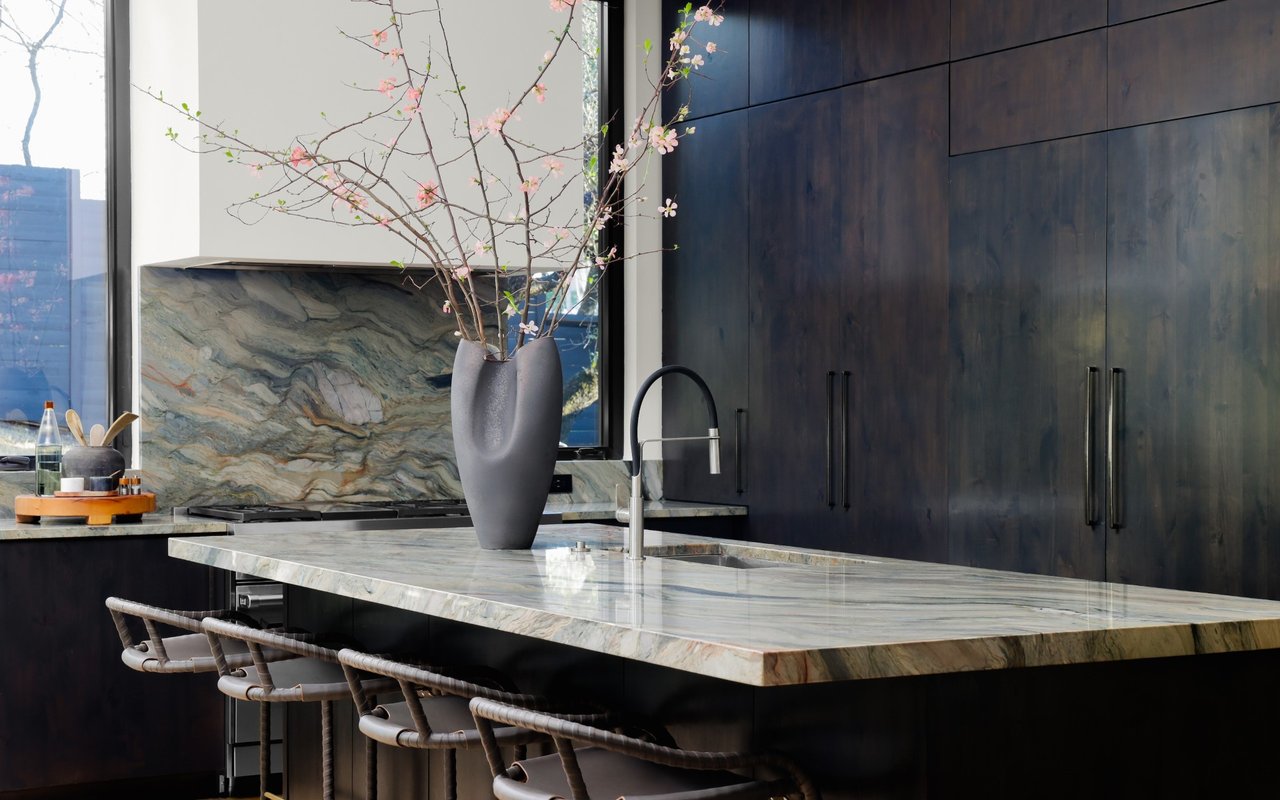
That can be especially attractive if you want modern functionality from day one. Open kitchens, larger primary suites, integrated storage, and newer materials often line up with what many luxury buyers want now.
Citywide data also helps explain why newer homes can feel so different from older ones. AIA Austin’s report found pre-1990 one-unit homes averaged 1,531 square feet, compared with 2,236 square feet for 1991 to 2020 one-unit homes, while 2012 to 2022 new one-unit permits averaged 2,809 square feet. In simple terms, newer homes in Austin tend to be substantially larger and more programmed than the homes that came before them.
Benefits of a Newer Build
- More turnkey condition
- Newer plumbing, electrical, heating, and cooling systems
- Layouts that often match current lifestyle preferences
- Larger average size than older housing stock
Where New Builds Require Care
In Tarrytown, fit matters. The neighborhood has a long history of modest-scale homes, and oversized new construction can feel out of step with the smaller homes that help define a street.
That matters for your daily experience, and it can matter for resale as well. In this neighborhood, the strongest new builds are often the ones that feel compatible with the lot and block instead of simply maximizing square footage.
If you are touring a newer home, look beyond finishes alone. Ask whether the design feels settled into the street, or whether it feels like it is competing with its surroundings.
How to Compare Old vs New in Tarrytown
The right choice often comes down to your priorities. If you value original character, a mature setting, and the chance to shape a home over time, an older property may be the better fit. If you prefer immediate convenience, updated systems, and a more lock-and-leave feel, a newer build may make more sense.
Here is a simple way to frame the decision:
| Priority | Classic Home May Fit | New Build May Fit |
|---|---|---|
| Character | Stronger architectural charm | Cleaner, newer aesthetic |
| Condition | May require updates or repairs | Typically more turnkey |
| Layout | Can be less efficient | Often designed for current living |
| Systems | More likely to need scrutiny | Usually newer and lower-maintenance early on |
| Neighborhood fit | Often closely tied to original scale | Best when designed with restraint |
| Future changes | May offer renovation potential | May already deliver most desired features |
This is where local guidance becomes especially useful. In Tarrytown, two homes at a similar price point can offer very different value depending on lot usability, design quality, and how well the house fits the street.
What to Check During Tours
When you walk a property in Tarrytown, try to assess both what exists today and what may be possible later. Lot shape, slope, drainage, tree placement, easements, and alley access can all affect how a property functions now and how flexible it may be in the future.
Austin’s HOME rules now allow up to three housing units on SF-1, SF-2, and SF-3 properties in certain cases. The city’s Phase 2 small-lot category also allows one unit on lots from 1,800 to under 5,750 square feet, while separate accessory dwelling units generally require SF-1, SF-2, or SF-3 zoning and a minimum lot area of 5,750 square feet. Even so, deed restrictions may still limit what zoning would otherwise permit.
That means it is important not to assume a large lot automatically gives you unlimited options. In Tarrytown, a property’s paper potential and real-world potential are not always the same.
Tour Checklist for Tarrytown Buyers
- Look at lot width, depth, and shape
- Check whether the yard appears to drain well
- Notice large trees and how they affect future plans
- Ask about easements and alley access
- Review any prior additions or major renovations
- Consider whether the home’s scale fits the lot naturally
- Think about whether the house meets your needs now, not just in theory later
Inspections and Infrastructure Issues
An independent inspection should happen early enough for you to renegotiate or cancel if major issues are found. That timing matters in any market, but especially in a high-value neighborhood where cosmetic presentation can distract from more expensive underlying concerns.
In some pockets of Tarrytown, local infrastructure deserves extra attention. Austin Water has an active South Tarrytown water and wastewater renewal project because water line breaks have been well documented in that area.
For properties near Lake Austin or creeks, flood risk should also be reviewed carefully. The city’s floodplain tools and FEMA flood maps can help you understand whether an addition or rebuild may face added restrictions, and Austin notes that development in the 25-year and 100-year floodplains can trigger additional review.
Resale: What Tends to Hold Up Best
Tarrytown’s long-term value story is tied to scarcity, central location, and established visual character. As of April 2026, Realtor.com reported 59 homes for sale in the neighborhood, with a median listing price of $1.8725 million and median days on market of 39. In a market this small and premium, inventory remains limited and neighborhood-level numbers can move quickly.
That is why broad averages only tell part of the story. In Tarrytown, buyers tend to respond well to homes that combine updated systems, useful outdoor space, and design that fits both the lot and the street.
For older homes, the versions that often look most resilient are the ones renovated in a way that respects original scale while improving livability. For newer homes, the strongest long-term candidates are often the ones that emphasize quality, function, and restraint rather than excess.
The Best Choice Is the One With Context
In Tarrytown, this is rarely a simple old-versus-new decision. A beautiful older home may come with better character and a more natural street presence, but also more inspection complexity. A newer build may offer ease and efficiency, but only if it is well designed for the block and not just large for the sake of being large.
The most successful purchase is usually the one that balances how you want to live now with how the property is likely to perform over time. That takes more than a quick comparison sheet. It takes a clear read on design, condition, lot potential, and neighborhood fit.
If you are weighing classic charm against new construction in Tarrytown, working with an advisor who understands both the market and the details of design can make the decision much clearer. If you would like thoughtful guidance on buying or selling in Central Austin, connect with Leslie Gossett.
FAQs
Should you buy an older or newer home in Tarrytown?
- The better choice depends on your priorities. Older homes often offer more character and an established setting, while newer homes usually provide more turnkey condition, newer systems, and layouts designed for current living.
What should you look for on a Tarrytown lot?
- Pay close attention to lot shape, slope, drainage, tree placement, easements, alley access, zoning, and deed restrictions, since these factors can affect additions, accessory units, or future redevelopment.
Are larger lots common in Tarrytown?
- Tarrytown lots tend to be larger than the Austin median. A 2023 AIA Austin analysis found a median residential lot size of 9,344 square feet in Tarrytown, compared with 7,976 square feet citywide.
Do older Tarrytown homes need more due diligence?
- Yes. Older homes often require closer review of major systems, prior additions, structural condition, and possible historic-review triggers if the home is 45 years old or older or has landmark-related status.
Do new builds always have better resale in Tarrytown?
- Not necessarily. In Tarrytown, newer homes often perform best when they feel compatible with the street and lot rather than simply maximizing size.
Are floodplain issues important in parts of Tarrytown?
- Yes. For homes near Lake Austin or creeks, floodplain rules and maps should be reviewed carefully because development in certain floodplain areas can trigger added restrictions and review.