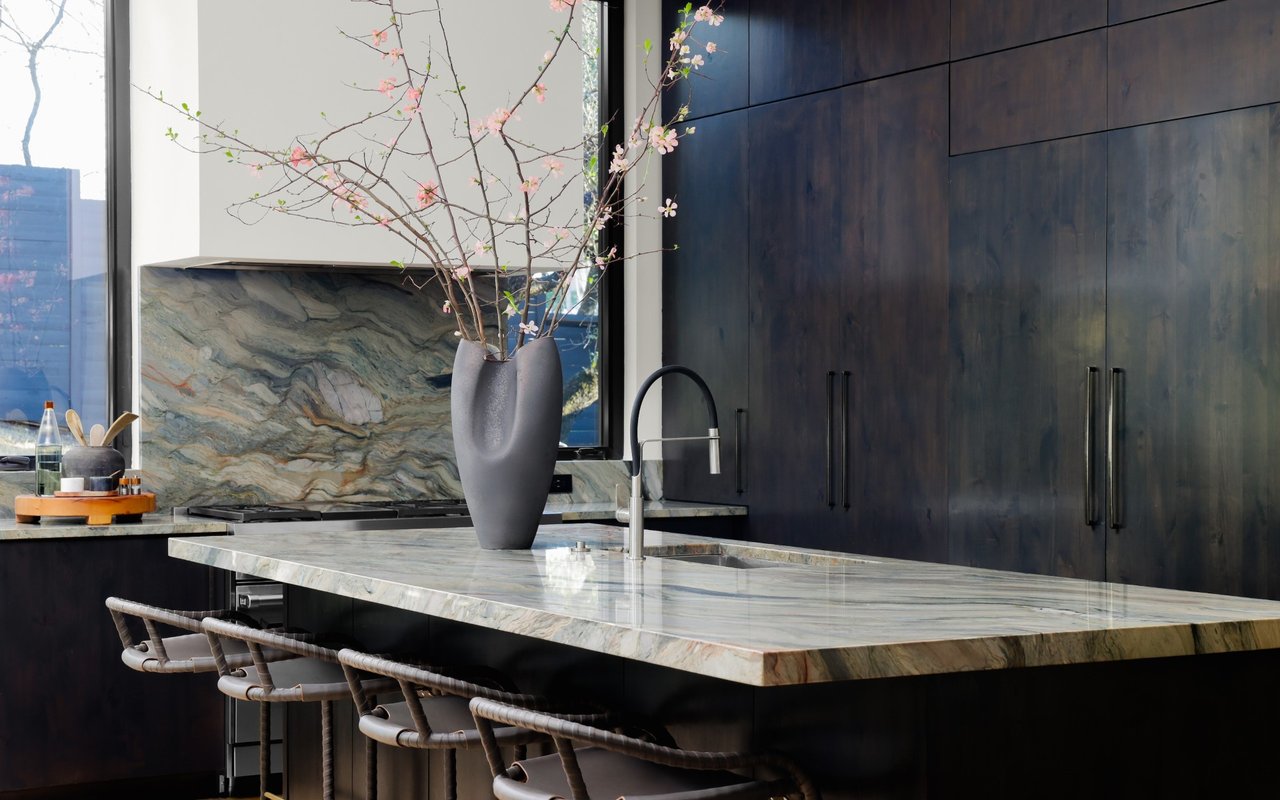
When you hire a real estate agent to sell your home, you're hiring someone to negotiate, market, and manage the transaction. That much is obvious. What most sellers don't think to ask about — but absolutely should — is whether their agent has any real understanding of how their home needs to look to sell for maximum value.
The staging conversation in luxury real estate often goes one of two ways. Either an agent tells you to declutter, light some candles, and call it done — or they bring a professional stager in for a consultation that may or may not align with your timeline or budget. What almost never happens is the agent walking through your home with the trained eye of someone who has personally staged and sold hundreds of properties.
That's what I bring to every listing I represent.
For years, I owned and operated a professional staging company in Austin. I planned stages, sourced furniture, directed installation, and then watched — property by property — how those decisions affected buyer behavior and sale outcomes. I saw which changes made buyers' eyes light up in person and which ones made a listing photograph ten times better. I learned what a $500 investment in the right pieces could do for a $3 million listing.
I don't run that business anymore. But every piece of knowledge I built during those years is now a permanent part of how I approach every seller I represent.
Here's what that looks like practically:
- When I walk through a home for the first time, I'm reading it the way buyers will. I'm noting the first thing your eye goes to when you walk in the front door — and whether that's the right thing.
- I'll tell you if a piece of furniture is making a room feel smaller than it is. Not because I've read an article about it, but because I've moved hundreds of pieces of furniture and watched buyer reactions change.
- I know the difference between staging for photographs versus staging for showings — they're not always the same.
- I understand what emotional response you need buyers to have in each room, and how to
engineer it.
None of this replaces a professional stager for properties that need a full furniture installation. But for most sellers, what makes the biggest difference isn't bringing in new furniture — it's knowing what to move, what to remove, and what to emphasize with what you already have.
The staging conversation should happen before you list. Not as an afterthought, and not as a checklist. It should be a strategic discussion with an agent who genuinely understands the relationship between presentation and price.
If you're considering selling a home in Central Austin, I'd love to walk through it with you. The conversation alone — before you've signed anything — often surfaces things that make a real difference.
Reach out at any time. That's what I'm here for.